
More progress in 2 sessions than 3 months of therapy.
— Verified Client
The Tool You Were Never Taught
Emotional regulation coaching teaches high-performers how to work with their nervous system — not against it.
What Is Emotional Regulation Coaching
Most people have never heard of emotional regulation coaching. That's because it's a relatively new approach that's gaining momentum as more professionals discover what therapy and medication couldn't give them - actual tools to manage their emotions in real time.
Here's the simple version: emotional regulation coaching teaches you how to work with your nervous system instead of against it. When you're anxious, stressed, angry, or overwhelmed, your body is sending you signals. Most of us were never taught how to interpret those signals or what to do with them. So we either ignore them, numb them, or let them control us.
I work with clients - mostly high-performing professionals who feel like they should have this figured out by now - to understand what's actually happening in their body when emotions spike. Then we build practical skills to regulate that response. Not suppress it. Not medicate it. Regulate it.
The goal isn't to never feel anxious or angry again. The goal is to feel those things and not let them derail your day, your relationships, or your sense of who you are.
This isn't about sitting in a room talking about your childhood. It's about learning how your nervous system works and giving you actionable steps to take control of it. Most of my clients see breakthroughs in 2-3 sessions, not months or years.

Coaching vs. Therapy: What's the Difference?

This is probably the most common question I get, and for good reason. Therapy has been around forever. Coaching is newer, especially emotional regulation coaching. So let's clear this up.
Therapy is often talk-based. It's a safe space to process your past, work through trauma, and understand why you feel the way you do. And that's valuable - I'm not knocking therapy. But for a lot of people, especially high-performers who just want to move forward, therapy can feel slow. You talk about the problem week after week, but nothing really changes.
Coaching, on the other hand, is action-based. We focus on what's happening now and what you can do about it. Every session has a goal, and you walk away with something you can actually use that day.
Here's the thing - over half of my clients tried therapy first and told me it didn't work. One guy did cognitive behavioral therapy for 3 months and said he made more progress with me in 2 coaching sessions than he did in all that time with a therapist. Another client was working with both a therapist and me at the same time, and after a few weeks, he stopped seeing the therapist because he wasn't getting results there - but he was seeing real change working with me.
I'm not a licensed therapist, and I'm not trying to be. What I do is different. Therapists often focus on healing. I focus on moving you forward. If you're stuck and your whole goal is to process past trauma, therapy might be the right fit. But if you're tired of talking about the problem and you want tools to actually handle it, coaching is probably what you need.
The other big difference? Speed. I've had clients tell me they accomplished more in a handful of sessions with me than they did in months or even years of therapy. That's not a knock on therapy - it's just a different approach. Therapy helps you understand why you are the way you are. Coaching helps you become who you want to be.
Emotional Regulation Coaching for Anxiety
If you feel anxious all the time and nothing seems to help - or the things that do help come with side effects you don't like - emotional regulation coaching gives you a different path. Instead of managing symptoms, we go after the root cause: your nervous system's response to stress. You'll learn how to recognize when anxiety is spiking and what to do in the moment to bring yourself back down. Most people don't need medication once they understand how their body works.

Emotional Regulation Coaching for Stress Management
Stress isn't the problem. How you respond to stress is. I work with professionals who are juggling too much - work, family, expectations - and they're burned out. We focus on building resilience so stress doesn't knock you sideways every time it shows up. You'll learn how to stay regulated even when everything around you is chaos.
Emotional Regulation Coaching for Anger Management
If you find yourself snapping at people, losing your temper over small things, or feeling like your anger controls you instead of the other way around, this is where we start. Anger isn't bad - it's information. But when it's dysregulated, it destroys relationships and makes you feel out of control. I'll teach you how to work with anger instead of fighting it or letting it run the show.
Emotional Regulation Coaching for Depression
A lot of my clients come to me feeling stuck, numb, or like they're going through the motions but not really living. Depression coaching through emotional regulation helps you reconnect with what you're actually feeling and gives you tools to process those emotions instead of avoiding them. It's not about "thinking positive" - it's about understanding what your body is telling you and responding in a way that moves you forward.
Emotional Regulation Coaching for Midlife Crisis
This one's more common than people think. You've checked all the boxes - career, family, success - but something's missing. You don't know what you want anymore, or maybe you've been pretending for so long that you forgot who you really are. Midlife crisis coaching helps you cut through the noise and figure out what actually matters to you, then build a life around that instead of other people's expectations.
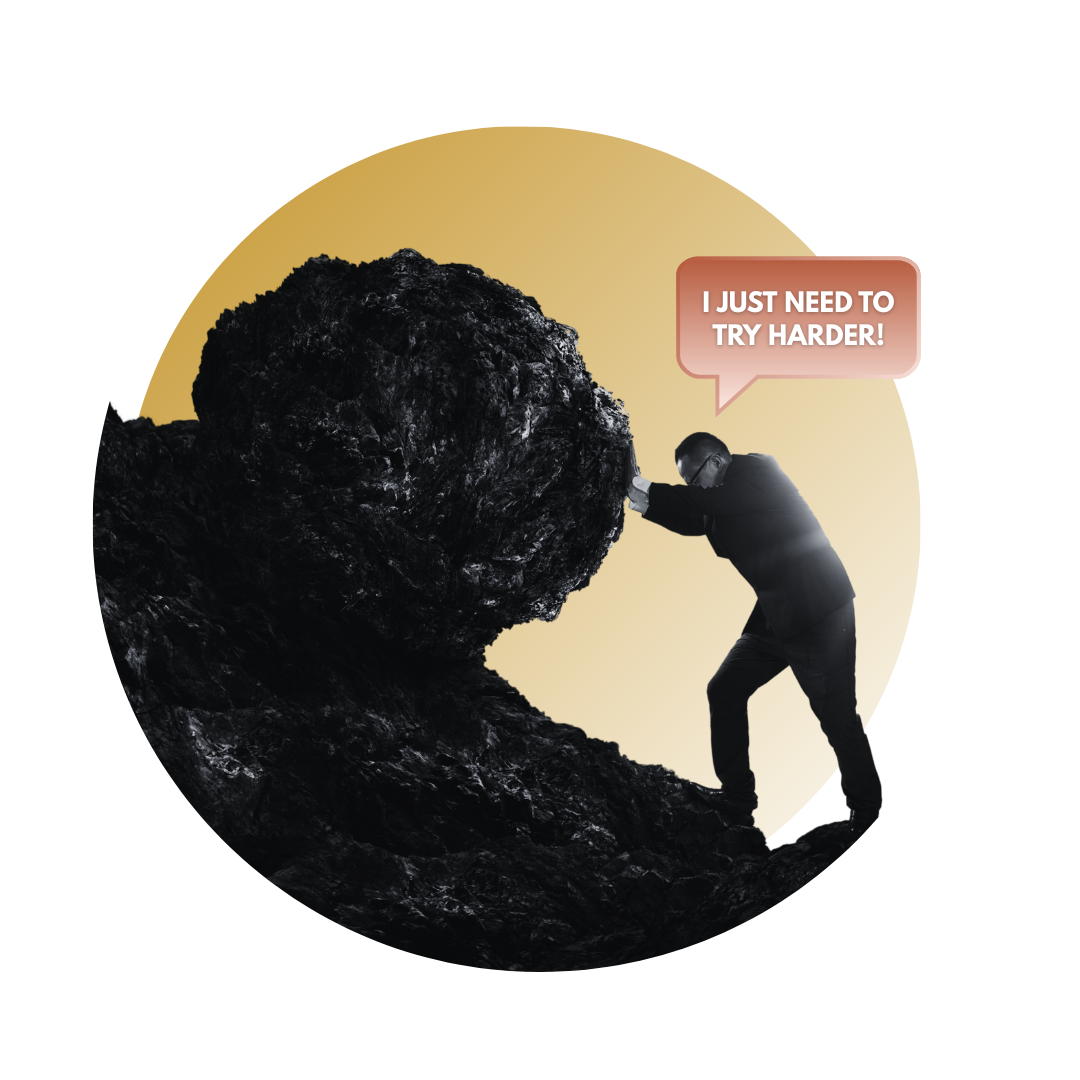
Join High-Performers Who've Learned the Secret
You're not broken. You're just using tools that don't work.
My clients aren't low-performers. They're people who have their lives together on paper but still feel anxious, overwhelmed, or stuck. They're executives, business owners, parents who are tired of feeling like they're one bad day away from losing it.
What they have in common: they tried other solutions first. Therapy. Medication. Self-help books. And those things helped - to a point. But they didn't give them what they actually needed, which was practical skills to handle their emotions in the moment.
That's what emotional regulation coaching does.
After 6 months, my clients report a 4x improvement in their ability to process negative emotions. Not because they're avoiding those emotions or medicating them away, but because they finally understand how their nervous system works.
If you're tired of talking about the problem and you're ready to solve it, let's talk.

Innovation
Fresh, creative solutions.

Integrity
Honesty and transparency.

Excellence
Top-notch services.

Problems We Solve
Service Areas
CONTACT INFORMATION
Call Us: (719) 726-5566
Email: [email protected]
Address: 1818 Mesita Ct Colorado Springs CO 80905
FOLLOW US


Copyright 2026. Coleman Housefield. All Rights Reserved.
IMPORTANT: This is NOT Mental Health Treatment
Coleman Housefield is not a licensed mental health professional and cannot diagnose, treat, cure, or prevent depression or any mental health condition. Emotional regulation coaching is NOT a substitute for therapy, medication, or psychiatric care.
If you are experiencing suicidal thoughts, self-harm urges, or severe depression symptoms, please contact:
National Suicide & Crisis Lifeline: 988 (call or text, 24/7) | Crisis Text Line: Text HOME to 741741 | Your licensed mental health provider or nearest emergency room
Coaching works alongside professional mental health care, not as a replacement. Many clients work with both a therapist and a coach.