
More progress in 2 sessions than 3 months of therapy.
— Verified Client
Depression Isn't Weakness. It's Dysregulation.
Learn to work with your nervous system, not against it. Coaching for those managing depression symptoms who want practical tools that create change.
Important note: I'm not a licensed mental health professional and can't diagnose depression. Please consult a qualified healthcare provider for symptoms. Coaching complements professional care and doesn't replace it. Many clients work with doctors or therapists while coaching.

IMPORTANT: This is NOT Mental Health Treatment
Coleman Housefield is not a licensed mental health professional and cannot diagnose, treat, cure, or prevent depression or any mental health condition. Emotional regulation coaching is NOT a substitute for therapy, medication, or psychiatric care.
If you are experiencing suicidal thoughts, self-harm urges, or severe depression symptoms, please contact:
National Suicide & Crisis Lifeline: 988 (call or text, 24/7)
Crisis Text Line: Text HOME to 741741
Your licensed mental health provider or nearest emergency room
Coaching works alongside professional mental health care, not as a replacement. Many clients work with both a therapist and a coach.
Depression Coaching
When Getting Through the Day Takes Everything You Have
You wake up tired. Getting out of bed feels like moving through concrete. The things that used to matter don't anymore. You know you should feel something, but mostly you just feel... nothing. Or heavy. Or like you're watching your own life from behind glass.
If this sounds familiar, you're not broken. Your nervous system is doing what it's designed to do when life gets overwhelming — it shuts down to protect you. Depression, for many people, isn't a chemical imbalance that needs fixing. It's a nervous system that's stuck in protective mode and doesn't know how to come back online.
That's where emotional regulation coaching comes in. I help people learn how to work with their nervous system rather than fighting against it. The goal isn't to "fix" you. It's to give your system the skills and safety it needs to re-engage with life.
Depression isn't something wrong with you.
It's your nervous system stuck in protective shutdown.
Once you understand how it works, you can teach it to re-engage with life.
— Coleman Housefield
Why Emotional Regulation Coaching Helps When You Feel Stuck
I work with people who are functional but feel completely disconnected. They're showing up to life but not actually living. Maybe therapy helped them understand why they feel this way, but understanding didn't change how they feel. Maybe medication took the edge off, but the heaviness is still there.
That's because managing depression symptoms isn't just about understanding your thoughts or adjusting brain chemistry. It's about teaching your nervous system that it's safe to come back online.
When you're depressed, your body has gone into a protective state. Everything slows down. You disconnect from feelings to avoid being overwhelmed. This is your nervous system trying to help you — but it gets stuck there. It doesn't know how to shift back into a state where you can actually engage with life again.
This is what we address in coaching. Not by analyzing why you're depressed or prescribing solutions, but by giving your nervous system the specific skills and signals it needs to shift out of shutdown mode.

What coaching offers:
We Work With Your Body, Not Just Your Mind
Depression lives in your body — the fatigue, the heaviness, the numbness. We address these directly through nervous system regulation techniques.
You Learn Skills, Not Dependence
The goal is to teach you what to do when you feel yourself shutting down. You won't need weekly sessions forever — you'll have tools you can use on your own.
Progress Happens in Weeks, Not Years
This isn't years of talk therapy. Most clients notice shifts within the first few sessions as they learn to work with their nervous system rather than against it.
It Works Alongside Other Support
Coaching isn't therapy or medication. It's a skill-building approach that complements whatever else you're doing. Many clients work with therapists, take medication, and do coaching — all support different aspects of managing depression.
I’ve Been
Where You Are
I'm Coleman Housefield. I've spent 20 years coaching and mentoring men and women through the hardest seasons of their lives. But I didn't start this work because I had it all figured out. I started because my own emotions were running my life — and I didn't know how to stop it. I'd get dysregulated by my kids, by work stress, by things that shouldn't have been a big deal. And I had no idea what to do. So I went deep. I studied the research. I trained with the best. And I built a method that actually works — not just in theory, but in real life, with real people who have jobs and families and don't have time for fluff. Now I help others do what I had to learn the hard way.

Getting Started Happens One Step at a Time
Step 1: Make the Call
Everybody needs help at some point. The hardest part is admitting something isn't working and taking that first step. You're here, which means you're already halfway there.
Step 2: Talk to Coleman
Book a free 50-minute call. No pressure, no sales pitch. We'll talk through what's going on, and I'll tell you honestly whether I think coaching is the right fit — or if something else would serve you better.
Step 3: Start the Work
If we're a fit, you pay for your first month and we get started. Three sessions. Real skills. Tangible progress. And if it doesn't work? You get your money back.
Book Your Free Call
or call 719-726-5566
Finally — A Solution That Actually Works
These aren't people looking for someone to vent to. They're high-performers who've tried managing this on their own, maybe even tried therapy, and still feel stuck. They need someone who's been there, who understands what it's like to have your emotions running the show, and who can teach them how to take back control.

The ER Coaching Difference
Talk vs. Action
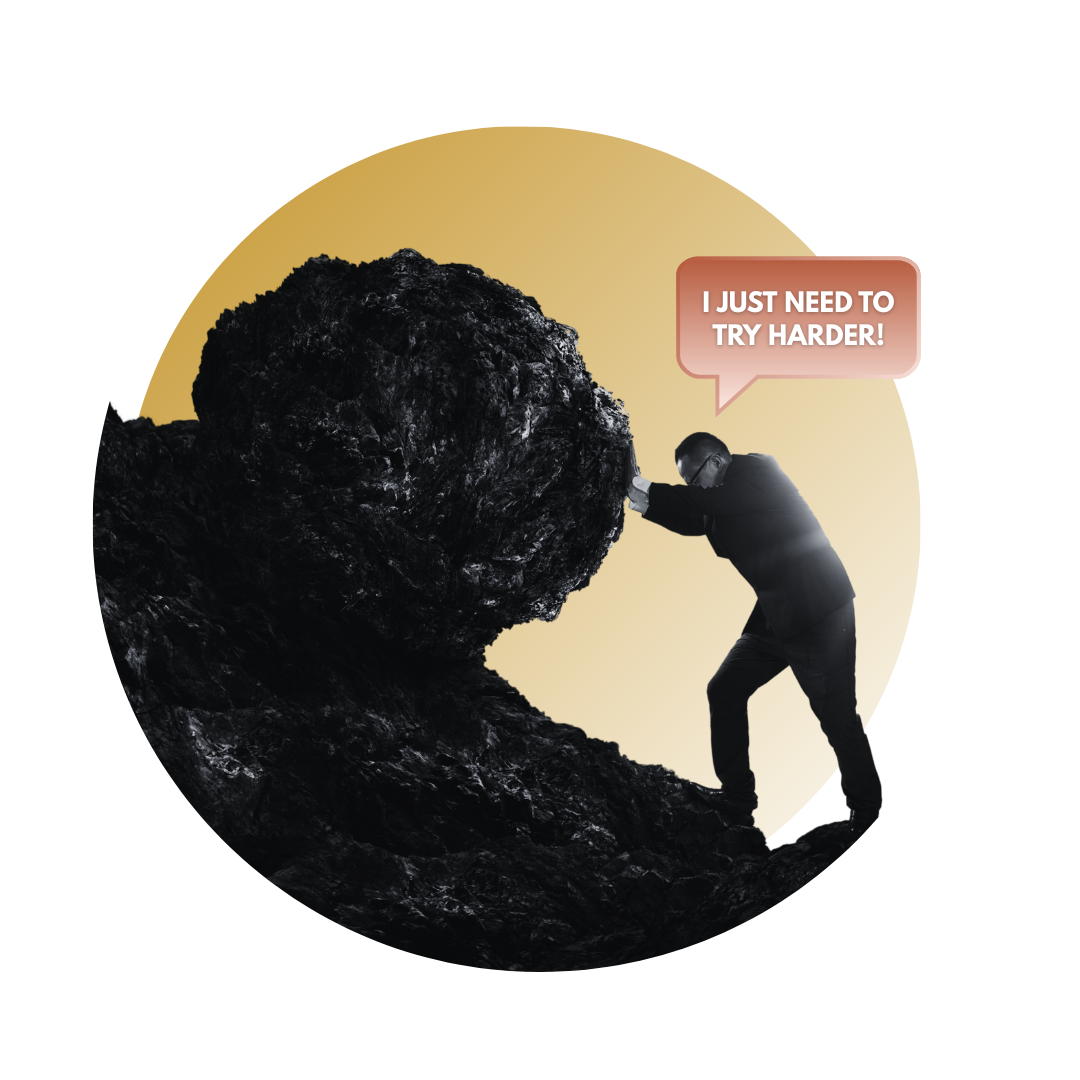
Most therapy is about processing the past in a safe space. That has value. But coaching is different — it's about building real skills and taking action that changes how you show up in your life, starting now. We're not here to talk about why you feel this way for six months. We're here to change it.
Timeline
Traditional therapy often takes months or years to see meaningful change. Over half my clients tried therapy first — it helped them understand themselves, but it didn't get them unstuck. This approach typically creates breakthroughs in the first few sessions, not the first few years.
Relationship
Therapists rotate. Practices shuffle clients around. With coaching, you work with me directly, every session. I know your story. I know your triggers. I know what we tried last week and what's coming up this week. That continuity is what makes the difference when things get hard.
Commitment Structure
Therapy often means indefinite weekly appointments with no clear end point. Coaching has structure: clear goals, defined timelines, and an exit strategy. You're not signing up for a lifetime. You're learning skills you'll have forever — then you're done.
The
Coach Coleman
Promise
I hate investing in something and not getting results. You probably do too. So here's my commitment: If you show up, do the work, and don't see tangible progress in your life — I'll give you your money back. No hoops. No awkward conversations. Just results, or a refund. I only want to work with people I can actually help. That first call is how we both figure out if this is the right fit.
Ready to stop white-knuckling your way through life?
Frequently Asked Questions
How is this different from therapy?
Therapy usually focuses on processing the past. This focuses on building skills for right now. We're not spending months talking about your childhood — we're getting clear on what's happening in your body today and giving you tools that actually work. Over half my clients tried therapy first. This is what moved them forward.
I'm not really an "emotional" person. Is this for me?
That's exactly why this works. If you've spent years keeping things buttoned up or staying "level-headed," you've built patterns that are now working against you. This isn't about becoming more emotional — it's about understanding the signals your body's already sending and using them to your advantage instead of getting blindsided.
How much time does this actually take?
Sessions are typically an hour, and we work together based on what you need — could be weekly, could be every other week. But here's the thing: most of the work happens in how you show up to your actual life, not in homework. Clients tell me they actually get time back because they're not stuck in anxiety loops or recovering from blowups.
What if it doesn't work for me?
Then you get your money back. I'm serious. I only want to work with people I can actually help, and if that's not you after we've given it a real shot, I'd rather you have your money back than feel stuck. The first call is how we both figure out if this is the right fit.
Proudly Providing Depression Counseling Colorado Springs and Surrounding Communities!
Professional Depression Therapy and Alternative Depression Coaching Near Me You Can Trust!
Business Address:
1818 Mesita Ct, Colorado Springs, CO 80905
Phone Number: (719) 726-5566
Business Hours:
Monday – Friday: 9:00 AM – 3:30 PM
Saturday: Closed
Sunday: Closed
Depression Counseling Colorado Springs
Depression Therapy Colorado Springs
Alternative Depression Coaching Colorado Springs
Depression Coach Near Me
Depression Counselor Colorado Springs
Some other important pages: Other areas we serve near Colorado Springs, CO:
Innovation
Fresh, creative solutions.

Integrity
Honesty and transparency.

Excellence
Top-notch services.

Problems We Solve
Service Areas
CONTACT INFORMATION
Call Us: (719) 726-5566
Email: [email protected]
Address: 1818 Mesita Ct Colorado Springs CO 80905
FOLLOW US


Copyright 2026. Coleman Housefield. All Rights Reserved.
IMPORTANT: This is NOT Mental Health Treatment
Coleman Housefield is not a licensed mental health professional and cannot diagnose, treat, cure, or prevent depression or any mental health condition. Emotional regulation coaching is NOT a substitute for therapy, medication, or psychiatric care.
If you are experiencing suicidal thoughts, self-harm urges, or severe depression symptoms, please contact:
National Suicide & Crisis Lifeline: 988 (call or text, 24/7) | Crisis Text Line: Text HOME to 741741 | Your licensed mental health provider or nearest emergency room
Coaching works alongside professional mental health care, not as a replacement. Many clients work with both a therapist and a coach.