
More progress in 2 sessions than 3 months of therapy.
— Verified Client
You’re Not Broken. You Just Need This Skill.
Emotional Regulation Coaching with a 90% success rate — for high-performers who are tired of anxiety running the show, even when everything else in life looks pretty good.
In just two sessions, I've discovered more about myself than I had after months of cognitive behavioral therapy.
- Emily, California

Emotional Regulation Coaching
Here’s What’s Actually Happening
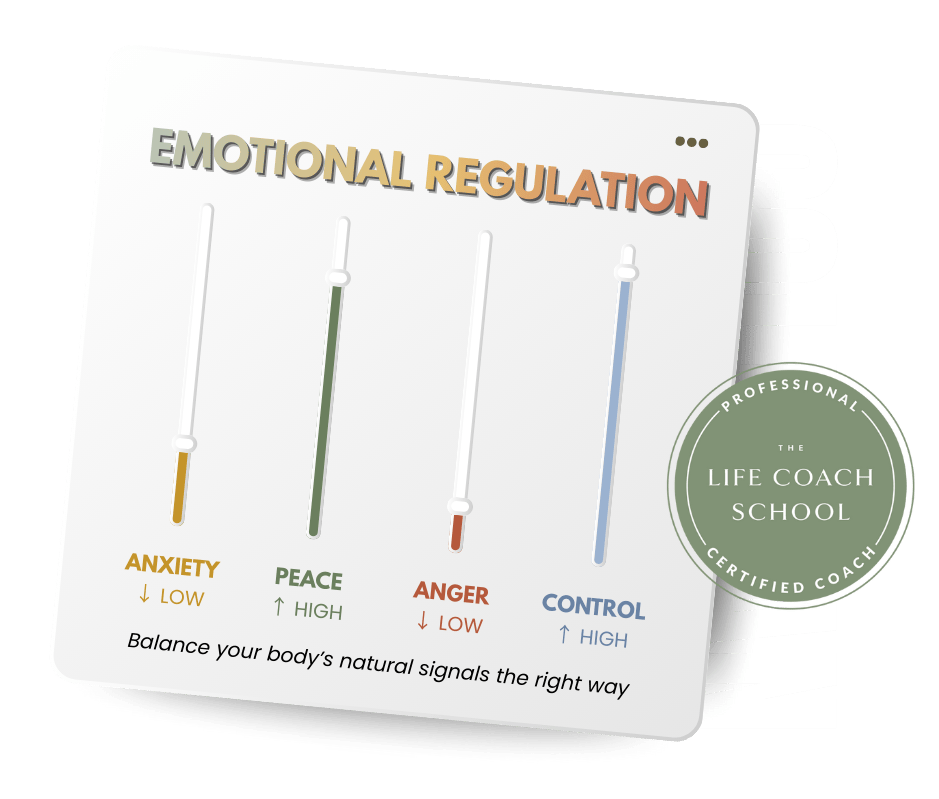
“If you're constantly dysregulated, well,
That's what anxiety is.
That's what worry is.
That's what overwhelm is.
That's what stress is.
That's being in a state of dys-regulation.
Emotions are terrible directions, but helpful signals.
When you know how to interpret the signal,
THAT’s when you can do something with it.”
— Coleman Housefield
You're not lazy.
You're not weak.
You're not "too emotional."
You're stuck in a cycle your nervous system learned a long time ago — and it's running the show whether you like it or not.
The anxiety that won't quit.
The anger that comes out of nowhere.
The feeling that you're one bad day away from everything falling apart. It doesn't get better by ignoring it. It doesn't get better by "pushing through." It gets better when you learn how to work WITH your nervous system instead of against it. That's a skill. And skills can be learned.
VIDEO Testimonials
I’ve Been
Where You Are
I'm Coleman Housefield. I've spent 20 years coaching and mentoring men and women through the hardest seasons of their lives. But I didn't start this work because I had it all figured out. I started because my own emotions were running my life — and I didn't know how to stop it. I'd get dysregulated by my kids, by work stress, by things that shouldn't have been a big deal. And I had no idea what to do. So I went deep. I studied the research. I trained with the best. And I built a method that actually works — not just in theory, but in real life, with real people who have jobs and families and don't have time for fluff. Now I help others do what I had to learn the hard way.

Start Unlocking, YOU
Step 1: Feel It
Learn to actually feel and process emotions through your body — instead of stuffing them down or letting them explode.
Step 2: Think It
Develop the skill of thinking on purpose — so you stop creating anxiety with the same mental loops that have been running for years.
Step 3: Build It
Audit your environment and identify triggers — then design a life that supports regulation instead of constantly fighting against it
Why This Works:
This isn't talk therapy. We don't spend months rehashing your childhood. We get clear on what's happening, build real skills, and move you forward.
Book A Free
50 Minute Session,
Right Now
The
Coach Coleman
Promise
I hate investing in something and not getting results. You probably do too. So here's my commitment: If you show up, do the work, and don't see tangible progress in your life — I'll give you your money back. No hoops. No awkward conversations. Just results, or a refund. I only want to work with people I can actually help. That first call is how we both figure out if this is the right fit.

Emotional Regulation Vs Therapy
Action-Based
Therapy is often about talking through the past in a safe space. Coaching is different — it's about building real skills and taking action that changes how you show up in your life, starting now.
Faster Results
One client said it best: "3 months of cognitive behavioral therapy didn't create as much progress as 2 coaching sessions with Coleman." That's not a knock on therapy — it's just a different approach with different results.
Tried Therapy?
Over half of my clients tried therapy first. It helped them understand themselves, but it didn't get them unstuck. This approach is what finally created real, lasting change in their lives.
Future-Focused
We don't spend months rehashing what went wrong. We figure out where you're stuck, why you're stuck, and we build a clear path forward — with real action steps, not just insight.
3 Hours a Month
That's the minimum commitment. Just show up to your sessions — even if you do nothing else between them — and you'll still walk away with awareness and skills that change your life for good.
Frequently Asked Questions
How is this different from therapy?
Therapy often focuses on processing the past. Coaching focuses on building skills for the future. We don't spend months talking — we get clear on what's happening and give you tools that work now. Over half my clients tried therapy first. This is what finally moved them forward.
I'm not really an "emotional" person. Is this for me?
That's actually why this works. If you've spent years pushing emotions down or "staying level-headed," you've built up patterns that are now working against you. This isn't about becoming emotional — it's about understanding the signals your body is already sending and using them to your advantage.
How much time does this take?
Sessions are typically an hour, and we work together based on what you need — could be weekly, could be every other week. But here's the thing: most of the work happens in how you show up to your actual life, not in homework. Clients tell me they actually get time back because they're not stuck in anxiety loops or recovering from blowups.
What if it doesn't work?
Then I'll refund you. Seriously. I only want to work with people I can actually help, and if that's not you, I'd rather you have your money back.
Proudly Providing Emotional Regulation Coaching Online and Serving Clients Nationwide!
Professional Emotional Regulation Coaching Near Me You Can Trust!
Business Address:
1818 Mesita Ct, Colorado Springs, CO 80905
Phone Number: (719) 726-5566
Business Hours:
Monday – Friday: 9:00 AM – 3:30 PM
Saturday: Closed
Sunday: Closed
Emotional Regulation Coaching
Emotional Regulation Coach Online
Life Coach Online
Emotional Regulation Coach Near Me
Online Mental Health Coach
Some other important pages:- Anxiety Coaching Colorado
- Stress Management Coaching Colorado
- Anger Management Coaching
- Depression Coaching Colorado
- Midlife Crisis Coaching Colorado
Colorado Springs, Denver, Colorado, Boulder & Fort Collins, and clients nationwide

Innovation
Fresh, creative solutions.

Integrity
Honesty and transparency.

Excellence
Top-notch services.

Problems We Solve
Service Areas
CONTACT INFORMATION
Call Us: (719) 726-5566
Email: [email protected]
Address: 1818 Mesita Ct Colorado Springs CO 80905
FOLLOW US


Copyright 2026. Coleman Housefield. All Rights Reserved.
IMPORTANT: This is NOT Mental Health Treatment
Coleman Housefield is not a licensed mental health professional and cannot diagnose, treat, cure, or prevent depression or any mental health condition. Emotional regulation coaching is NOT a substitute for therapy, medication, or psychiatric care.
If you are experiencing suicidal thoughts, self-harm urges, or severe depression symptoms, please contact:
National Suicide & Crisis Lifeline: 988 (call or text, 24/7) | Crisis Text Line: Text HOME to 741741 | Your licensed mental health provider or nearest emergency room
Coaching works alongside professional mental health care, not as a replacement. Many clients work with both a therapist and a coach.